
Amenities are one of the most misunderstood parts of rental property investing. Owners often assume that adding more features automatically means higher rent. In reality, tenants only pay more for amenities that meaningfully improve their daily lives. Everything else is just noise.
The difference between smart upgrades and wasted capital comes down to understanding what renters expect, what they value, and what actually affects leasing speed, rent growth, and retention.
Why Amenities Matter For Modern Renters
Amenities are no longer a bonus. In many markets, they are a baseline requirement to stay competitive.
What Today’s Renters Expect As Standard
Modern renters walk into a property with a mental checklist in hand. Certain features are no longer viewed as upgrades; they are expected. Functional kitchens with updated appliances. In-unit laundry, or at least convenient access to laundry. Reliable heating and cooling. Secure locks. Adequate storage. Clean, well-lit common areas in multifamily buildings.
When these basics are missing, tenants do not negotiate or ask for discounts. They move on. At that point, you are no longer competing on price. You are competing on livability.
This is where many owners miscalculate. Meeting baseline expectations does not justify higher rent. It simply keeps your property competitive. Rent increases only become possible after those expectations are met and the property delivers clear, additional value that renters can feel in their day-to-day lives.
How Amenities Support Higher Rent And Retention
The right amenities do two things well. They attract renters more quickly, and they provide residents with reasons to stay.
Higher rent is rarely driven by a single feature. It is driven by how a set of amenities reduces friction in daily life. When residents feel comfortable, efficient, and proud of where they live, rent increases feel reasonable instead of punitive.
Retention is where amenities really pay off. Every avoided turnover saves on vacancy loss, marketing, cleaning, and leasing costs. Often, the financial return of an amenity comes less from rent increases and more from reduced churn.
Amenities That Truly Move The Rent Needle
Not all amenities are equal. Some consistently influence rent and demand across markets.
In-Unit Features Residents Pay More For
In-unit laundry remains one of the strongest rent drivers. Renters value privacy, convenience, and time savings above all else. Even compact or stackable units may justify a noticeable rent premium compared to shared laundry.
Updated kitchens also matter, but not in the way many owners assume. Renters care more about functionality than luxury finishes. Modern appliances, adequate counter space, and durable cabinetry outperform high-end materials that are difficult to maintain.
Efficient climate control is another major factor. Central air, modern heating systems, and smart thermostats improve comfort and lower utility costs. Renters will pay more for predictable, controllable environments.
Storage is overlooked but highly valued. Walk-in closets, pantries, and dedicated storage areas directly affect livability. Small improvements here outperform flashier upgrades.
Community And Lifestyle Amenities That Add Value
For multifamily properties, lifestyle amenities can justify higher rent when they are well-maintained and genuinely usable.
Secure parking is one of the most valuable shared amenities. In dense or urban markets, assigned or covered parking can significantly increase perceived value.
Outdoor spaces that are functional perform better than decorative ones. Simple seating areas, grilling stations, or well-maintained courtyards see more use than elaborate designs.
Pet-friendly amenities also drive rent and demand. Pet policies, dog wash stations, or nearby green space matter more than novelty features. Renters with pets often accept higher rent in exchange for convenience and acceptance.
Fitness amenities can add value when done right. A modest, clean gym with reliable equipment outperforms an oversized space that is rarely serviced or updated.
Upgrades That Look Nice But Do Little
Some upgrades, although they photograph well, deliver minimal financial return.
Cosmetic Updates With Low Return
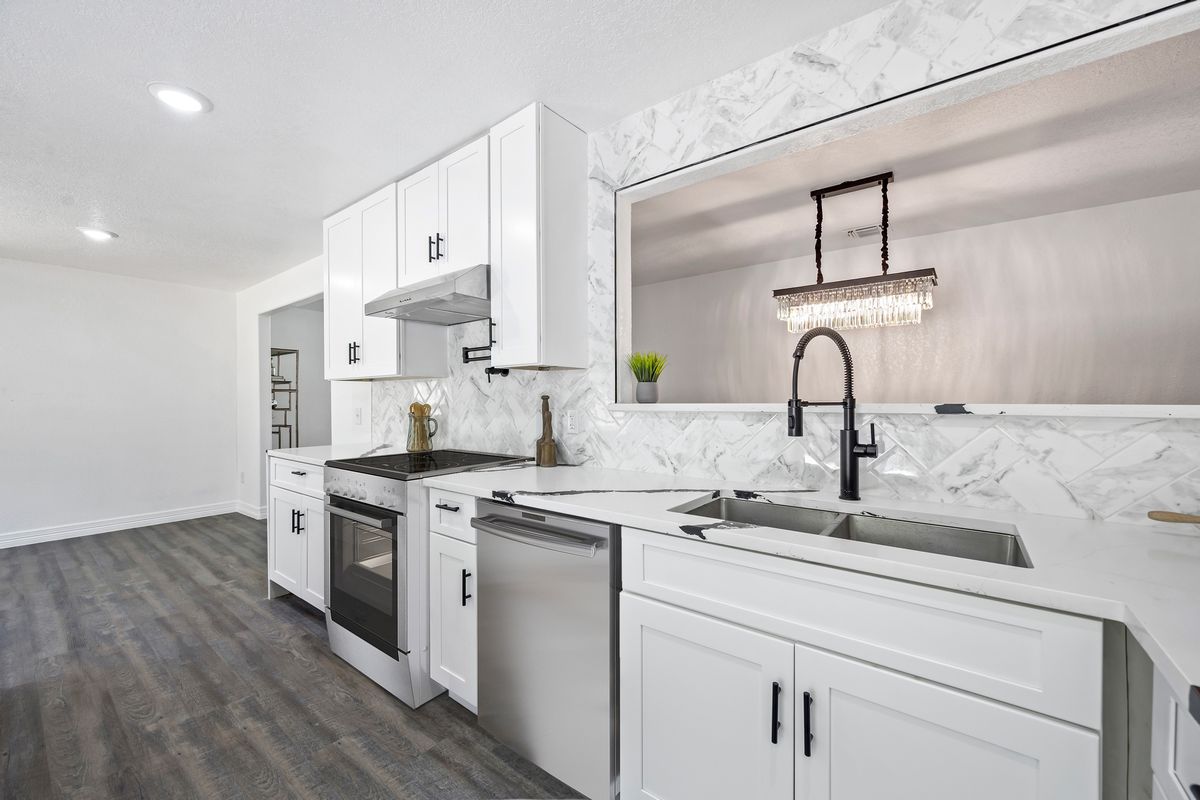
Overly expensive finishes rarely pay off in rentals. Marble countertops, custom tilework, and designer lighting may impress initially, but they do not meaningfully change how renters live in the space.
Renters prioritize durability. Surfaces that scratch easily or show wear quickly become liabilities. Maintenance and replacement costs often outweigh any rent premium.
Accent walls, bold color schemes, and highly personalized design choices can actually narrow your renter pool. Neutral, flexible spaces consistently lease faster and appeal to more people.
“Trendy” Features That Age Quickly
Trends move faster than rental cycles. What feels modern today can feel dated in two years.
Smart home features fall into this category when poorly executed. Renters appreciate keyless entry and smart thermostats. They do not want complicated systems that fail or require constant troubleshooting.
Open shelving, decorative barn doors, and ultra-minimalist layouts frustrate residents over time. When trends interfere with storage, privacy, or noise control, they hurt retention. If an upgrade requires explanation during a tour, it is probably not adding real value.
Prioritizing Upgrades By Return On Investment
The smartest amenity decisions start with numbers, not inspiration.
Balancing Budget, Rent, and Long-Term Value
Before upgrading, ask three questions. Will this increase rent? Will it reduce vacancy or turnover? Will it reduce operating costs or risk? The best amenities usually do more than one of these. Energy-efficient systems reduce utility strain. Durable flooring reduces replacement cycles. Security features reduce liability.
Budgeting should focus on lifecycle cost, not just installation cost. A slightly higher upfront investment often yields better results over time if it reduces maintenance and turnover costs. Avoid upgrades that require frequent refreshes to stay relevant. Stability is an underrated return driver.
Testing Amenities Across Your Portfolio
Portfolio owners have an advantage. You can test. Rolling out an amenity in one or two units or properties allows you to measure rent impact, leasing speed, and tenant feedback before committing broadly.
Tracking performance by upgrade type creates clarity. Over time, patterns emerge. Some amenities consistently outperform expectations. Others quietly underperform. Data removes guesswork and emotion from upgrade decisions.
Marketing Your Amenities The Right Way
Even valuable amenities fail if they are marketed poorly.
Highlighting Benefits In Listings And Photos
Renters respond to benefits. Instead of listing in-unit laundry, explain its convenience. Instead of listing secure parking, explain the peace of mind it provides.
Photos should show amenities in use whenever possible. A furnished outdoor space performs better than an empty one. A kitchen staged for daily living outperforms a sterile design shot.
Clarity matters. Do not overpromise. Accurate representation builds trust and reduces disappointment during tours.
Using Amenities To Stand Out In Your Market
Standing out does not mean offering more. It means offering what competitors do not. Understanding your submarket is critical. In some areas, storage is rare. In others, pet policies are restrictive. Filling gaps creates differentiation. The goal is not to appeal to everyone. It is to appeal strongly to the right renter for your property.
Amenities justify higher rent only when they solve real problems for tenants. Convenience, comfort, efficiency, and durability consistently outperform flash and trendiness.
The best investments feel obvious to residents. They make daily life easier. They reduce friction. They feel worth paying for. When amenities are chosen strategically and marketed honestly, they support stronger rents, better retention, and healthier long-term performance across your portfolio.
.png)