
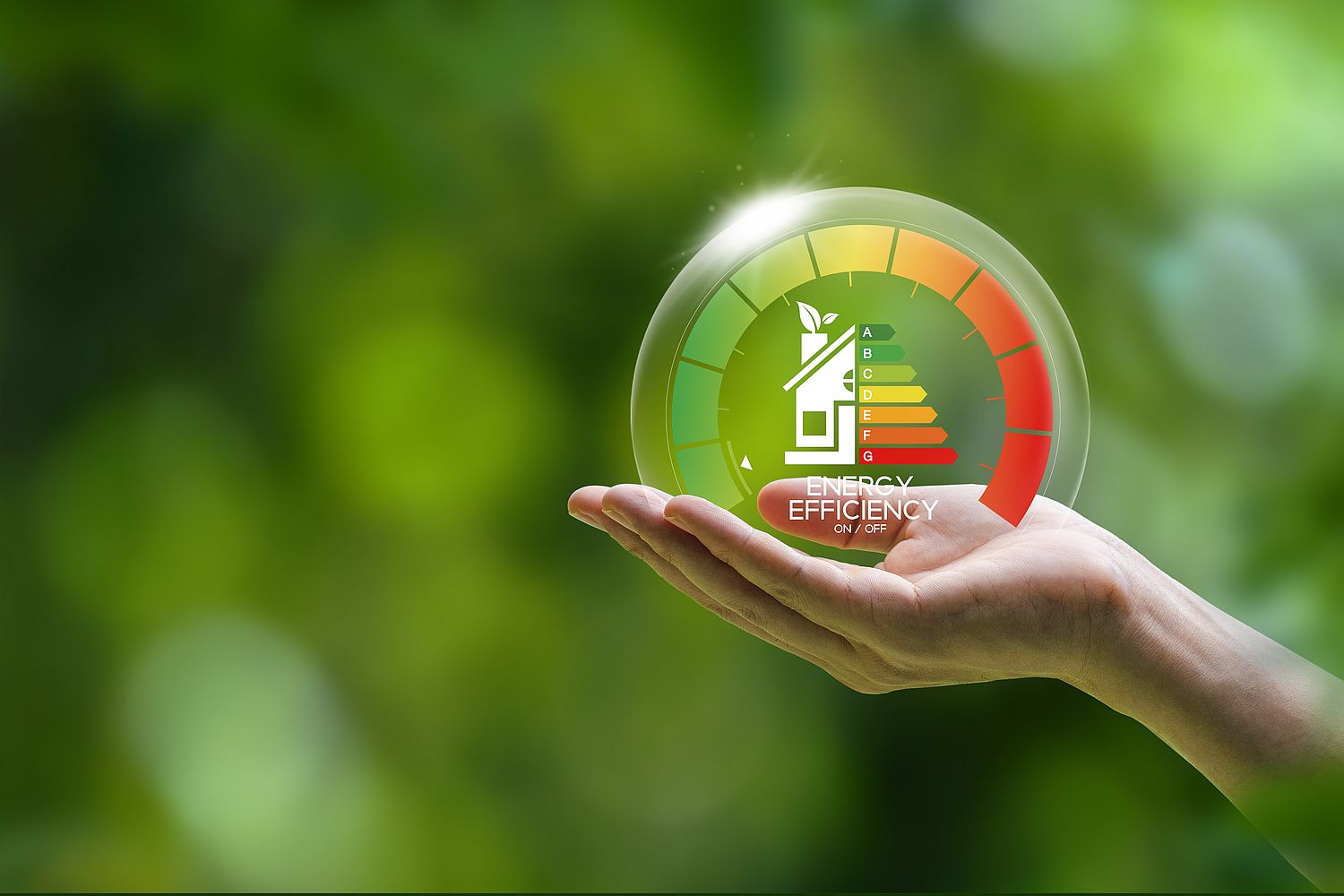
Energy efficiency in rental properties used to be a niche consideration. It isn't anymore. Rising utility costs, a growing population of environmentally aware renters, and an expanding array of financial incentives have elevated green upgrades from a nice-to-have to a legitimate investment strategy for property owners who want to stay competitive.
The good news is that sustainability and profitability aren't in tension here. The right upgrades reduce operating costs, attract stronger tenants, support higher rents, and protect the long-term value of your investment. This guide walks through what's worth doing, how to think about the return on investment, and how to implement upgrades without disrupting your property or your tenants.
Why Sustainability Matters in Rental Properties
Rising Energy Costs and Tenant Expectations
Utility costs have increased significantly over the past several years, and that trend shows no reliable sign of reversing. For tenants who pay their own utilities, energy efficiency affects their monthly cost of living and, in turn, how they evaluate a rental property. A well-insulated unit with an efficient HVAC system and energy-smart appliances is a genuinely better place to live, and renters increasingly understand that.
For landlords who cover utilities, the financial case is even more direct. Every dollar saved on energy costs flows straight to the bottom line, and in a market where operating expenses are rising across the board, efficiency is one of the few levers owners control.
Tenant expectations around sustainability have also shifted, becoming measurable rather than anecdotal. A growing share of renters, particularly those in the millennial and Gen Z demographics, who make up an increasing share of the rental market, actively factor environmental responsibility into their housing decisions.
The Competitive Advantage of Green Rentals
In a competitive rental market, differentiation matters. Properties that are positioned clearly and honestly as energy-efficient and environmentally thoughtful stand out in listings, attract more inquiries, and tend to attract tenants who are stable, responsible, and motivated to stay long-term.
Green rentals also tend to have lower vacancy rates, in part because the tenants they attract are more likely to renew, and in part because the property itself represents better value for the monthly rent. A tenant who spends meaningfully less on utilities in your property than they would in a comparable one has a concrete financial reason to stay put. That dynamic is worth building deliberately.
Top Energy-Efficient Upgrades for Landlords
Insulation and Weatherproofing
If there's a single upgrade that delivers the broadest impact on energy performance, it's improving the building envelope. Insulation, air sealing, weatherstripping, and window performance determine how much energy a property needs to stay comfortable, and deficiencies in any of these areas undermine the performance of every other system in the building.
Older properties in particular often have significant insulation gaps in attics, crawl spaces, and exterior walls, as well as air leakage around windows, doors, and penetrations that quietly drive up heating and cooling costs year-round.
A professional energy audit can identify exactly where a property is losing energy and quantify the potential savings from specific improvements, which makes it an excellent starting point before committing to an upgrade plan.
Weatherproofing is among the lowest-cost, highest-return items available. Replacing worn weatherstripping, caulking gaps around windows and doors, and adding door sweeps costs relatively little and makes a noticeable difference in both energy performance and tenant comfort.
High-Efficiency HVAC and Smart Thermostats
Heating and cooling account for the largest share of energy consumption in most residential properties, making HVAC efficiency a high-priority consideration for property owners evaluating where to invest.
Modern high-efficiency heating and cooling systems can substantially reduce energy consumption compared to older equipment, with savings varying depending on the age and condition of the equipment being replaced.
Beyond efficiency, newer systems tend to be more reliable, quieter, and better at maintaining consistent comfort throughout the property, which affects tenant satisfaction.
Smart thermostats complement HVAC upgrades effectively and are worth installing, whether you're replacing the entire system. Smart thermostats reduce energy waste, enable remote management of vacant-unit temperatures between tenancies, and give tenants visibility into their energy usage, which many genuinely appreciate.
Scheduling HVAC servicing and filter replacements as part of a consistent maintenance program also matters more than many owners realize. A well-maintained system runs more efficiently, lasts longer, and is far less likely to fail in the middle of a Wisconsin winter, when a heating failure becomes an emergency.
Our maintenance services are structured around proactive scheduling precisely because prevention is almost always less expensive than emergency repair.
LED Lighting and Energy-Efficient Appliances
LED lighting has reached a point where there is essentially no reason to specify anything else in a rental property. The energy savings compared to incandescent bulbs are dramatic, the bulb life is many times longer, and the quality of LED lighting has improved to the point where warm, pleasant light is readily available at every price point.
Beyond energy savings, switching to LED throughout a property reduces the frequency of bulb-replacement calls, a small but real reduction in maintenance burden. In common areas, hallways, and exterior fixtures where lights may run for extended hours, the savings are particularly meaningful.
Appliance efficiency has also advanced significantly. When appliances in a rental reach the end of their useful life, replacing them with Energy Star-certified models is the right choice.
Water-Saving Fixtures and Landscaping
Low-flow showerheads, faucet aerators, and dual-flush or low-flow toilets reduce water consumption without meaningfully affecting tenant experience. For properties where the owner covers water costs, the savings are direct. For properties where tenants pay for water, efficiency fixtures reduce the real cost of living, which affects tenant satisfaction and retention.
Drought-tolerant plantings, native species that require minimal intervention, and efficient irrigation systems, when used, all reduce the resources required to maintain exterior spaces. This is particularly relevant for properties with significant landscaping, where water and maintenance costs can be substantial.
Calculating ROI on Green Investments
Energy Savings vs. Upfront Costs
The most straightforward ROI calculation compares the upfront cost of an upgrade against the ongoing energy savings it generates. A smart thermostat with a modest upfront cost that reduces monthly heating and cooling expenses pays for itself relatively quickly.
Major insulation improvements or HVAC replacement involve larger upfront investments and longer payback periods, but the savings they generate compound over many years.
The honest answer is that payback periods vary significantly by upgrade type, property condition, and local energy costs. What matters is evaluating each potential upgrade on its own terms, with realistic estimates of both cost and savings, rather than assuming all green investments return similarly or return quickly.
An energy audit is the most reliable tool for generating those realistic estimates. It provides property-specific data on where energy is being lost and the projected savings from specific improvements, which is a much stronger foundation for investment decisions than general industry averages.
Tax Incentives and Rebates
The financial landscape for energy-efficient upgrades has become considerably more favorable in recent years. Federal tax incentives, state programs, and utility company rebates all offer opportunities to offset the cost of qualifying improvements, and property owners who don't take advantage of them are leaving money on the table.
Federal tax credits are available for qualifying HVAC systems, insulation improvements, windows and doors, and certain other energy efficiency upgrades. Utility companies in Wisconsin frequently offer rebates for high-efficiency equipment and smart thermostats. State programs vary and change periodically, which is worth monitoring through the Wisconsin Focus on Energy program or similar resources.
It's worth noting that tax incentives and rebates change over time, and the specifics of what's available and how to qualify can be complex. Consulting with a tax professional who understands rental property investing is worthwhile before making significant upgrade decisions based on assumed incentive values.
Tenant Retention and Higher Rents
The financial return on green upgrades isn't limited to energy savings. The impact on tenant retention and achievable rents is real, if somewhat harder to calculate with precision.
Properties with documented energy-efficiency features command higher asking rents in competitive markets because they offer tenants genuine value. A tenant who knows their utility bills will be lower in your property than in a comparable one has a rational basis for paying more in rent, and many will.
The retention effect is similarly concrete. A comfortable tenant, paying reasonable utility bills, and living in a property that reflects their values is less likely to move at lease renewal. Reduced turnover is one of the highest-value outcomes for a rental property owner, and energy efficiency contributes to it in meaningful ways, even if not perfectly quantifiable.
Our resident benefits package is designed to build exactly this kind of tenant relationship, combining property features, services, and communication that make tenants feel genuinely valued and well-served throughout their tenancy.
Implementing Upgrades With Professional Help
Planning and Scheduling Work
Start with an energy audit to establish a clear picture of the property's current condition and the highest-return opportunities. Prioritize improvements that have the best combination of energy impact, cost efficiency, and tenant benefit.
Schedule work during natural transition points between tenancies where possible, since coordinating significant improvements in an occupied unit requires more communication and flexibility from everyone involved.
Build realistic timelines that account for contractor availability, material lead times, and inspection requirements. Green upgrades often involve licensed trades and permit processes that have their own timelines, and projects that assume those steps will happen quickly frequently run into delays.
Partnering With Experienced Property Managers
The operational complexity of planning, scheduling, and overseeing improvement projects while maintaining positive tenant relationships and keeping a property running smoothly is genuinely easier with an experienced management partner than without one.
A professional property management team brings contractor relationships, project coordination experience, and established processes for communicating with tenants about upcoming work to minimize disruption and maintain trust.
They also provide perspective on which upgrades have performed well in similar properties and which have disappointed, offering valuable context for investment decisions.
At RHOME, our maintenance services include coordinating improvement projects alongside routine maintenance, so property owners have a single point of contact for both ongoing upkeep and strategic upgrades. That continuity reduces coordination friction and ensures that improvement projects are implemented in a way that's consistent with how the property is managed day to day.
Marketing Your Eco-Friendly Rental
Highlighting Green Features in Listings
Specific, honest descriptions of energy-efficient features perform better than vague sustainability claims. "LED lighting throughout, Energy Star appliances, smart thermostat, and updated attic insulation" communicates real, tangible value. An "Eco-friendly property" designation without supporting details communicates very little.
Where available, quantifying the benefit adds credibility and impact. If your property has documented energy performance data or utility cost comparisons from similar units, that information is worth sharing in listings and tenant communications. Renters evaluating properties appreciate specifics they can truly consider, and specificity signals transparency.
Photography that showcases the physical quality of your upgrades, new windows, updated mechanical systems, and quality appliances also supports the value story you're telling. A property that looks well-maintained and thoughtfully updated attracts the caliber of tenant who will appreciate and care for it.
Appealing to Eco-Conscious Tenants
Tenants who prioritize sustainability are, as a group, often excellent long-term renters. They tend to be thoughtful, community-minded, and invested in their living environment, which translates into better property care and more reliable tenancy. If your property has made real investments in efficiency, communicate them specifically and let the substance speak for itself.
Future-Proofing Your Investment
The direction of travel in rental housing is clear. Energy costs will remain a factor in tenants' property evaluations. Environmental expectations among renters will continue to rise. Regulatory requirements around building efficiency are likely to increase over time rather than decrease. The financial incentive landscape for energy-efficient upgrades, while it will evolve, reflects a broad policy consensus that isn't going away.
RHOME helps property owners navigate exactly this process, from evaluating upgrade opportunities to managing implementation to marketing the results effectively. If you'd like to talk through where your properties stand and what a strategic efficiency plan might look like, we'd welcome that conversation.
.png)