
The rental market is more competitive than ever. Tenants have more options, more information, and higher expectations than previous generations of renters. For property owners who want to attract quality tenants, reduce vacancy, and protect the long-term value of their investment, smart home technology has become a compelling tool.
This isn't about gadgets for the sake of gadgets. The right smart upgrades, thoughtfully chosen and properly managed, can genuinely improve how a property performs: lower operating costs, stronger tenant satisfaction, and a more professional ownership experience overall.
Read on to learn what property owners in today's market should understand about smart home technology and how to approach it strategically.
Understanding Smart Home Technology for Rentals
What Qualifies as Smart Home Technology?
At its core, smart home technology refers to devices and systems that connect to the internet or a local network to enable remote monitoring, control, or automation. What distinguishes a smart device from a standard one is its ability to interact digitally, whether through a smartphone app, a voice assistant, a centralized hub, or automated scheduling.
In a rental context, the most relevant smart devices are those that affect access, comfort, energy use, and security. These are the categories where the benefits to both landlord and tenant are clearest and where the return on investment is easiest to evaluate.
Examples of Popular Smart Devices
The smart home product landscape is large and evolving quickly, but a handful of categories have emerged as particularly relevant for rental properties.
Smart locks and keyless entry systems allow tenants to enter using a code, a smartphone app, or a key fob, eliminating the cost and friction of rekeying between tenants. Smart thermostats learn usage patterns, allow remote temperature management, and reduce energy waste in vacant units. Video doorbells and exterior cameras add a layer of security that many tenants actively seek out.
Leak detection sensors in kitchens, bathrooms, and utility rooms provide early warning of water damage before a small problem becomes a costly one. Smart smoke and carbon monoxide detectors add monitoring capability to an existing safety requirement.
Each of these serves a practical purpose that extends well beyond novelty, which is why they are worth considering seriously as rental property investments.
Benefits of Smart Upgrades for Landlords
Increased Property Value and Potential Rental Rates
Properties with smart features can command a premium in competitive rental markets. Tenants who are choosing between otherwise similar units frequently cite technology features as a deciding factor, particularly among younger renters who have grown up with connected devices and expect them as a baseline rather than a bonus.
Beyond attracting tenants, smart upgrades can meaningfully enhance a property's perceived quality, with a compound effect on the caliber of applicants you attract. A well-presented property with thoughtful amenities tends to attract more responsible, long-term tenants. And strong tenant screening paired with a property that genuinely appeals to quality applicants is one of the most effective combinations available to a rental property owner.
Enhanced Tenant Satisfaction and Retention
Tenant turnover is expensive. Vacancy loss, cleaning, repairs, marketing, and the time cost of finding and screening new tenants add up quickly. Anything that improves tenant satisfaction and encourages renewal has direct financial value.
Smart home features contribute to satisfaction in both practical and psychological ways. Practically, tenants appreciate the convenience of keyless entry, the energy savings from a smart thermostat, and the security of a monitored exterior.
Psychologically, a property equipped with thoughtful technology signals that the owner and management team care about the tenant experience, which shapes how tenants relate to the property and to their landlord throughout the lease.
Pairing smart technology with a well-structured resident benefits package creates an environment where tenants feel genuinely valued. That feeling is one of the strongest drivers of lease renewal, and it's something property owners can intentionally create rather than leave to chance.
Reduced Operating Costs Through Energy Efficiency
Smart thermostats in particular have a well-documented track record of reducing energy consumption. For properties where the owner covers utilities, the savings can be meaningful. For properties where tenants pay their own utilities, energy efficiency remains a selling point that affects tenant satisfaction and retention.
Leak detection sensors deserve a mention here as well. Water damage is among the most costly and disruptive issues a rental property can face. A sensor that detects a slow leak under a sink before it compromises a subfloor, or a failed water heater before it floods a unit, can prevent repair costs that dwarf the device's cost many times over.
Choosing the Right Smart Devices
Smart Locks and Keyless Entry
Smart locks are arguably the highest-value smart upgrade available to rental property owners, because they solve a real operational problem while also improving the tenant experience.
Traditional rekeying between tenants costs money and requires scheduling a locksmith. With a smart lock, access codes can be changed instantly at no cost. Temporary codes can be issued for maintenance visits and deactivated immediately after, creating a security layer that traditional keys simply can't provide. Some systems log entry and exit, which can be valuable for both security and liability purposes.
From the tenant's perspective, keyless entry is a genuine quality-of-life improvement. No more locked-out situations from a forgotten key, no more hiding a spare under a mat. It's a feature that tenants use and appreciate every day of their tenancy.
Smart Thermostats and Energy Monitoring
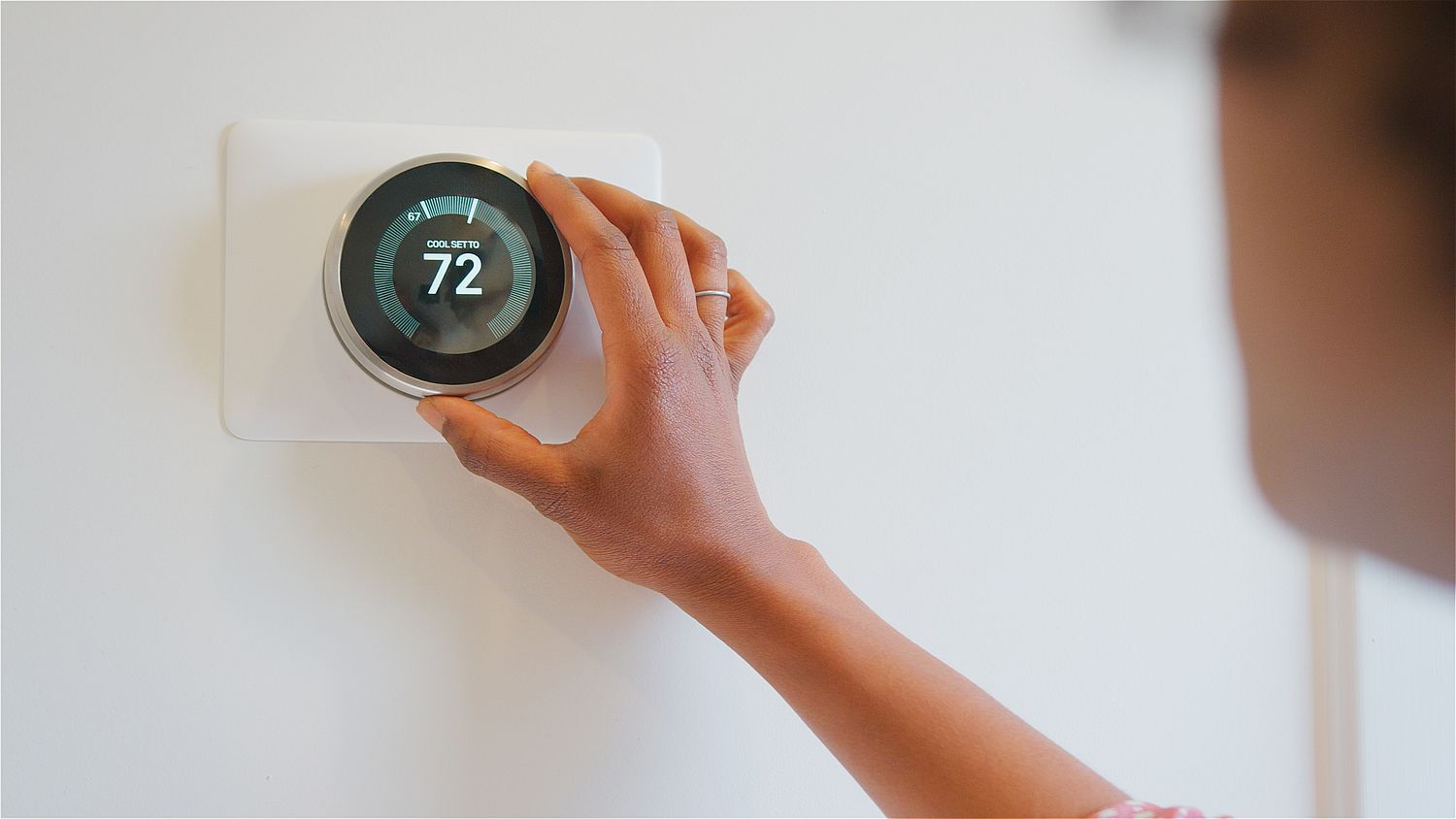
A smart thermostat is a low-cost, high-impact upgrade that benefits everyone involved. Installation is typically straightforward, compatibility is broad, and the energy management benefits are well-established.
For landlords managing properties with included utilities, the ability to set temperature limits and monitor usage remotely is a valuable operational tool. For all properties, the ability to manage temperature in vacant units between tenancies reduces energy waste without requiring a physical visit.
Some smart thermostats also provide energy usage reports that tenants find genuinely useful, which is a small but real contribution to the overall tenant experience.
Security Systems and Cameras: Privacy Considerations
Security is among the top priorities for renters evaluating a property, and smart security systems can be a meaningful differentiator. Exterior cameras, video doorbells, and monitored alarm systems all contribute to a sense of safety that tenants value highly.
When in doubt, consult with a property management professional before installing any monitoring technology to ensure your approach is both legally sound and ethically appropriate for your specific situation.
Installation and Management Considerations
Upfront Cost vs. Return on Investment
Smart home upgrades vary widely in cost, and it's worth being clear-eyed about what you're evaluating. A smart lock might cost two to five times more than a standard deadbolt upfront, but when you factor in rekeying costs across multiple tenant turnovers, remote access capabilities, and the tenant retention value it contributes to, the math often looks quite different.
The strongest ROI cases tend to be devices that reduce ongoing operational costs, like smart locks eliminating rekeying fees; prevent expensive damage, like leak sensors; or directly support tenant retention, like thermostats and security systems. Devices that add convenience without clear operational or retention benefits are worth approaching more selectively.
Data Privacy and Cybersecurity
Smart devices connected to your property's network collect and transmit data. This is worth taking seriously from both a privacy and a security standpoint. Devices should be from reputable manufacturers with clear data policies.
Default passwords should always be changed. Networks should be secured properly. Tenants should understand what data any property-installed device collects and how it's used.
Maintenance and Technical Support
Smart devices require support. A tenant who can't connect a smart thermostat or is locked out because a smart lock's battery died needs a timely, knowledgeable response. This is one of the real operational considerations of introducing smart technology into a rental property.
Having a clear technical support process, whether that's a property management team with smart home expertise or documented troubleshooting resources for tenants, is essential.
Technology that creates friction when it fails can quickly erode the goodwill it builds when it works well. Our maintenance services are structured to include support for the smart home features we manage, so tenants always have a clear path to resolution.
Partnering With a Professional Property Manager
Device selection, installation oversight, tenant onboarding, ongoing support, and data privacy compliance are all areas where expertise and systems make a meaningful difference.
How RHOME Integrates and Manages Smart Technology
At RHOME, we approach smart home technology as an integrated part of how a well-managed property operates, not as an optional add-on or a marketing talking point. We help property owners evaluate which devices make sense for their specific properties, oversee installation, and manage tenant onboarding.
Our goal is for renters to understand and use their smart features confidently. Our team also provides ongoing technical support so that any issues don't fall back on the owner.
Smart Features Within Resident Benefits Packages
Smart home features are most powerful when they're part of a coherent, well-communicated tenant experience. At RHOME, we integrate smart technology into our resident benefits packages in a way that makes the value clear to tenants from the moment they sign their lease.
When a tenant understands that their property includes keyless entry, a smart thermostat, and a monitored security system as part of a benefits package designed around their experience, those features become a positive part of the landlord-tenant relationship rather than just background infrastructure. That distinction matters for retention.
Positioning Your Property for the Future
The rental market will continue to evolve, and tenant expectations will keep pace. Smart home features that are a premium differentiator today are likely to be a baseline expectation within a few years in competitive markets. Property owners who get ahead of that curve, strategically and thoughtfully, will be better positioned than those who treat it as a future consideration.
The good news is that starting thoughtfully is better than starting comprehensively. A smart lock and a smart thermostat, well-managed and well-communicated to tenants, deliver more value than a full suite of devices that no one knows how to use or support. Build from a strong foundation, evaluate performance honestly, and expand from there.
If you're considering where smart home technology fits into your property investment strategy, RHOME would welcome the conversation. We help property owners make these decisions with clarity, and we manage the details so the technology works the way it's supposed to, for you and for your tenants.
.png)