
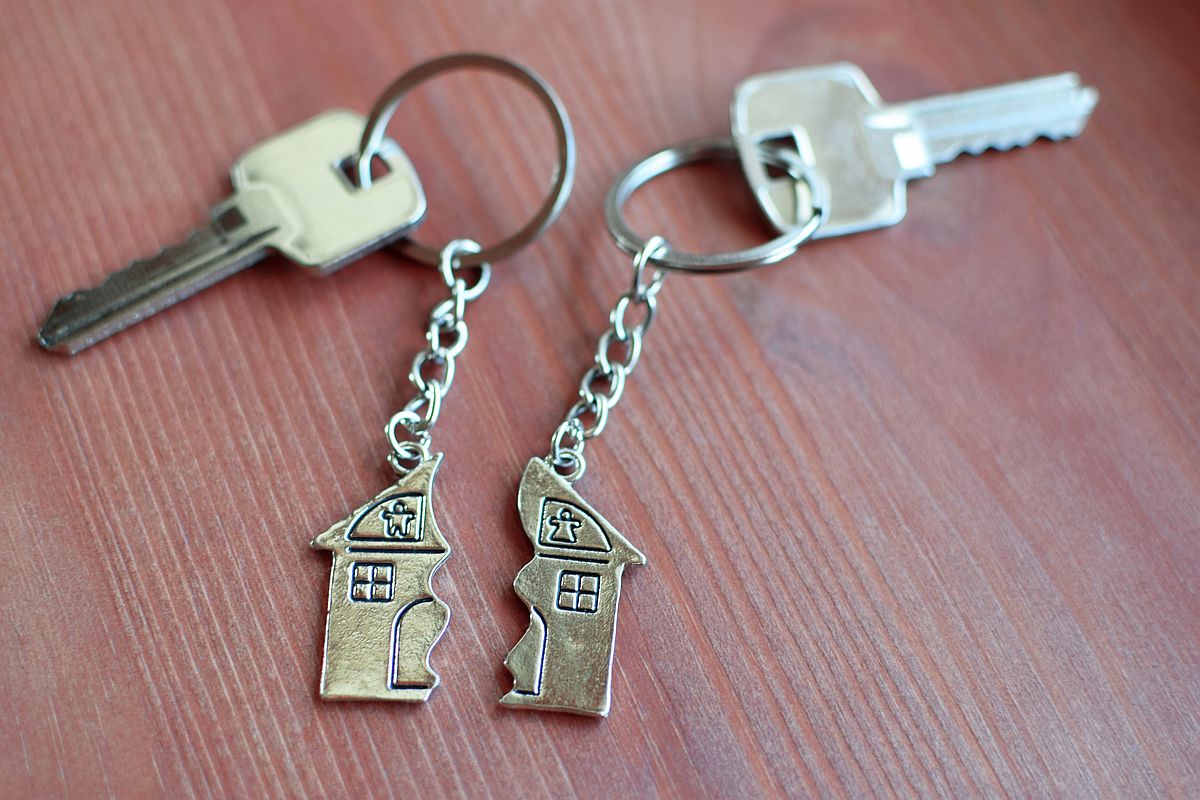
A rental property adds a layer of complexity to divorce and estate settlements that a primary residence typically avoids. Active leases, ongoing tenant relationships, and shared financial responsibility all need to be addressed alongside the emotional weight of these transitions. Understanding your options helps protect the property, the people living in it, and everyone involved in the settlement.
Why Rental Properties Are Uniquely Complicated in These Situations
A primary residence is typically vacated and sold with a relatively clear timeline. A rental property comes with tenants who have their own lease rights, income the property generates that must be tracked and divided, and ongoing maintenance and management decisions that someone must still make throughout the settlement process. These factors mean rental properties often require more coordination and a longer resolution timeline than other shared assets.
Rental Property in a Divorce
Dividing a rental property during divorce generally follows one of three paths, and the right choice depends on the couple's financial goals, their ability to continue working together, and the property's role in their broader financial picture.
Keep it and rent it together: interim co-ownership
Some couples choose to retain joint ownership temporarily, continuing to split income and expenses while working out a longer-term plan. This approach can make sense when the property is performing well financially or when market conditions make selling unfavorable. It requires clear written agreements about decision-making authority, expense responsibility, and an eventual exit timeline to prevent future disputes.
One spouse buys the other out
A buyout allows one spouse to retain full ownership by compensating the other for their share of the property's value, often through a lump-sum payment or an adjustment to the division of other marital assets. This path offers a clean break and allows one party to continue managing the property independently, provided they can secure financing or offsetting assets to complete the buyout.
Sell the property and split proceeds
Selling the property and dividing the proceeds according to the settlement agreement offers the most straightforward resolution for couples who prefer a full separation of shared assets. This path requires coordinating the sale around any active lease terms, since existing tenants generally retain the right to remain through the end of their lease even under new ownership.
What Happens to Active Tenants?
Tenants' rights generally continue uninterrupted through a divorce or ownership change, since a valid lease remains binding regardless of who holds the title. Landlords going through a divorce must continue meeting their obligations under the lease, including maintenance response and rent collection, throughout the settlement process.
Tenants should be notified of ownership changes once finalized, and rent payment instructions should be updated promptly to avoid confusion or missed payments.
Managing a Rental Property During Probate
When a property owner passes away, a rental property they owned typically becomes part of their estate and moves through the probate process before ownership formally transfers to heirs.
Who is responsible for the property?
The estate's executor or personal representative generally holds responsibility for the property during probate, including collecting rent, maintaining the property, and fulfilling landlord obligations under existing leases. This role carries real legal responsibility, and executors who are unfamiliar with landlord duties often benefit from professional property management support during this period.
Can tenants stay during probate?
Yes, existing leases remain valid and enforceable during probate, and tenants retain their right to stay through the end of their lease term. The estate, through its executor, steps into the role of landlord and must continue to honor the terms of the original lease agreement until the property formally transfers or the lease naturally ends.
Inheriting a Rental: Turning It Into an Asset
Heirs who inherit a rental property face an important decision about its future. Some choose to sell and use the proceeds as intended, while others see an opportunity to retain the property as a source of ongoing income.
For heirs unfamiliar with property management, professional guidance early in this decision helps clarify the property's true earning potential, current condition, and the realistic time commitment required to manage it well.
When Professional Management Protects Everyone
Divorce and estate settlements already involve enough complexity without adding hands-on property management. Professional management keeps rent collection, maintenance, and tenant communication running smoothly during a transition, protecting the property's value and giving everyone involved – spouses, executors, and heirs alike – one less responsibility to manage during an already difficult period.
How RHOME Steps In During Complex Transitions
Rhome Property Management supports property owners through divorce, probate, and inheritance transitions with steady, professional oversight. We handle tenant communication, rent collection, and property maintenance so you can focus on the personal and legal matters in front of you. If you are navigating a rental property through a divorce or estate settlement, reach out to our team to learn how we can help.
.png)