
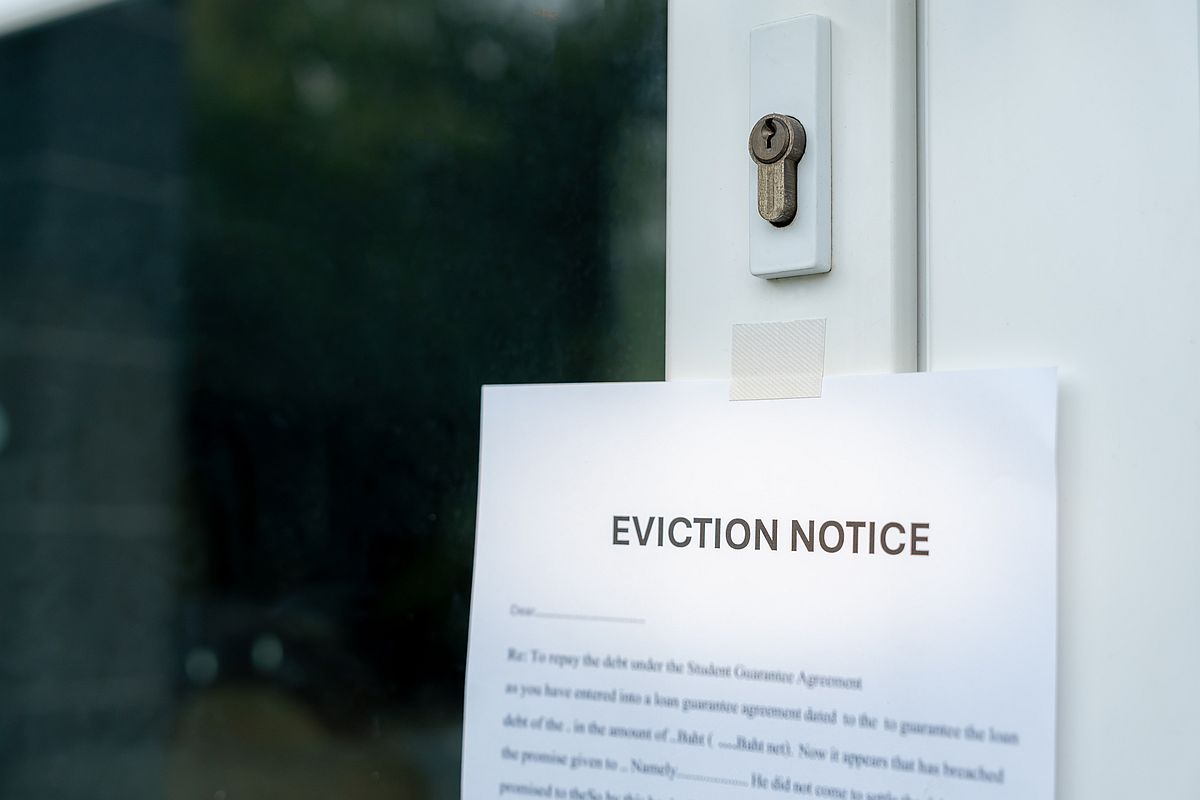
A lease ends, moving day arrives, and the tenant is still there. This situation, known as a holdover tenancy, puts landlords in a difficult position. Understanding your legal options and the steps you must avoid will protect you from costly mistakes and help resolve the situation as quickly as possible.
What Is a Holdover Tenant?
A holdover tenant is someone who remains in a rental property after their lease term has expired, without a new lease in place. This differs from a tenant who simply stops paying rent while still under an active lease. A holdover situation begins the moment the original lease term ends, and the tenant remains without a signed renewal or new agreement.
Month-to-month continuation vs. trespass: the key legal distinction
How a holdover tenancy is treated legally depends heavily on the landlord's conduct after the lease ends. If a landlord continues accepting rent payments after the lease expires, many states treat this as an implied month-to-month tenancy, giving the tenant continued legal occupancy rights.
If a landlord declines the rent and clearly communicates that the tenant must vacate, the tenant's continued presence may constitute trespass, requiring formal legal action to remove them. This distinction affects which process a landlord must follow, so consistent and documented communication from the start matters significantly.
The Most Common Reasons Tenants Don't Leave
Holdover situations happen for several recurring reasons. Some tenants struggle to secure a new place to live and stay past their move-out date, hoping for extra time. Others misunderstand lease terms or believe verbal agreements extend their tenancy. Financial hardship, family circumstances, and simple disorganization around move timing also contribute. Identifying the reason behind a holdover situation early helps determine which resolution path makes the most sense.
Your Legal Options as a Landlord
Landlords facing a holdover tenant generally have three paths forward, each suited to different circumstances.
Option 1: Convert to month-to-month and negotiate
If the tenant has been reliable and the holdover appears temporary, converting the tenancy to a formal month-to-month arrangement can provide clarity and buy time for both parties. This approach works best when documented in writing, with a clear end date and rent terms both parties agree to.
Option 2: Issue a formal notice to vacate
A written notice to vacate formally establishes the landlord's intent and starts the legal clock required in most jurisdictions before further action can be taken. This notice should be delivered in accordance with your state's specific requirements regarding method and timing, and a copy should always be kept for your records.
Option 3: Begin formal eviction proceedings
When a tenant remains after a notice to vacate has expired, formal eviction through the court system becomes necessary. This process varies by location, but it generally involves filing a complaint, serving the tenant, attending a hearing, and, if the ruling favors the landlord, obtaining a court order for removal, which is enforced by local law enforcement.
Self-Help Evictions: What You Absolutely Cannot Do
Landlords must resist the urge to resolve a holdover situation on their own outside the legal process. Changing locks, shutting off utilities, removing a tenant's belongings, or physically blocking access to the unit are all considered self-help evictions, and they are illegal in nearly every state, regardless of how clearly the tenant is in the wrong.
These actions expose landlords to significant legal liability, including fines and potential lawsuits from the tenant. The court process exists precisely to protect both parties, and following it correctly is the reliable path to regaining possession of a property.
The Eviction Timeline by State
Eviction timelines vary considerably depending on state and local law, ranging from a few weeks in some jurisdictions to several months in others. Factors like required notice periods, court backlogs, and local tenant protection laws all affect how long the process takes.
Because these rules vary significantly by location, landlords should confirm the current requirements with their local court system or a qualified attorney before beginning any formal proceeding.
Preventing Holdover Situations Before They Start
Lease renewal communication timelines
Reaching out to tenants sixty to ninety days before a lease expires gives both parties time to plan. Clear communication about renewal terms, rent changes, or a decision to end the lease reduces confusion and gives tenants adequate time to arrange their next move.
Move-out inspection scheduling
Scheduling a move-out inspection well before the lease end date creates a natural checkpoint for confirming move-out plans. This conversation often surfaces holdover risk early, giving landlords time to address the situation before the lease term actually ends.
How RHOME Handles Difficult Tenant Situations
Holdover tenancies are stressful but manageable when handled with clear communication, proper documentation, and adherence to local law. RHOME Property Management guides landlords through every step of this process, from early renewal outreach to formal eviction proceedings when necessary, always working to protect your property and your legal standing.
If you're dealing with a holdover tenant or want to put stronger systems in place to prevent one, reach out to our team today.
.png)