
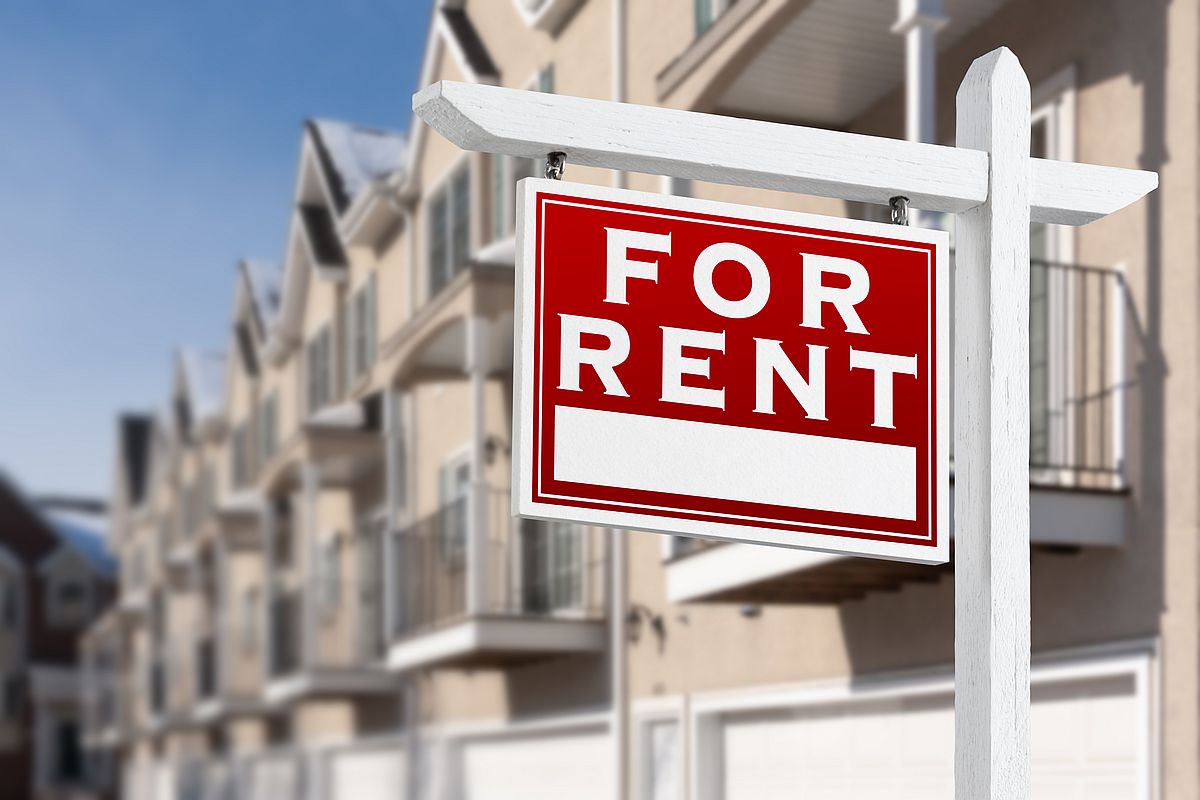
Every landlord dreads a vacant unit, and for good reason. Rent stops coming in, but the bills don't. Mortgage payments, insurance, utilities, and upkeep keep showing up every month, whether anyone lives there or not. The longer a unit sits empty, the more those costs add up. Knowing exactly where the money goes is the first step toward getting your unit filled faster.
It's Not Just Lost Rent
A vacant unit stops rent from coming in, but the costs don't stop there. Utilities, insurance, mortgage payments, and maintenance continue whether or not anyone is living in the unit.
Add in the cost of prepping the space for the next tenant, and the total price of a vacancy climbs, well past that missing rent check.
Breaking Down the Real Cost of Vacancy
Lost Gross Rent by Market
The most visible cost is the rent itself. A property renting for $2,000 a month loses roughly $66 for every day it sits empty. Two weeks vacant costs close to $1,000. A full month costs the entire rent payment, with no way to recover it later. In competitive rental markets, this number adds up fast and directly affects annual return.
Ongoing Fixed Expenses During Vacancy
While a unit is vacant, the bills keep arriving. Mortgage payments, property taxes, insurance premiums, and utilities such as water and electricity all continue regardless of occupancy.
Landlords covering these costs without rental income are effectively paying to hold their own property, which erodes profitability the longer the vacancy stretches on.
Increased Wear and Security Risk on Empty Units
Pipes can freeze without regular heat monitoring. Unattended units become targets for break-ins or vandalism. Small maintenance issues that would normally get reported by a tenant go unnoticed until they become expensive repairs. A vacant home requires active oversight, and that oversight has a cost too.
The Hidden Costs Landlords Overlook
Re-leasing and Turnover Costs
Every new tenant means new costs: marketing the listing, screening applicants, drafting a new lease, and often cleaning or minor repairs between tenants. These turnover expenses are easy to underestimate, but happen every single time a unit changes hands.
Deferred Maintenance that Compounds
A property left vacant for an extended period may develop issues that get worse the longer they go unaddressed. A small leak becomes water damage. A minor pest issue becomes an infestation. Deferred maintenance during a vacancy period frequently costs more to fix than it would have cost to catch early, adding another layer of expense on top of lost rent.
What Drives Vacancy Up?
Overpriced Rent
Setting rent above market value is one of the most common reasons a property sits empty. Renters compare listings, and a unit priced too high gets passed over in favor of comparable properties at a fairer rate.
Slow or Ineffective Marketing
Poor photos, a listing posted to only one platform, or a slow response to inquiries all push potential tenants toward other options. Our approach to leasing and marketing rental properties is built specifically to close these gaps and get units in front of qualified renters quickly.
Poor Property Condition
A unit that looks tired, outdated, or poorly maintained takes longer to lease and often rents for less once it does. Renters expect a move-in-ready space, and even small cosmetic issues can push a decision toward a competing listing.
How Fast Does RHOME Typically Lease Properties?
RHOME's leasing process is built around speed and quality together, matching properties with qualified tenants quickly while avoiding the costly cycle of turnover and re-leasing. Our leasing services combine professional marketing, responsive communication, and thorough screening to minimize the time a property sits empty and maximize the return for every owner we work with.
Strategies to Minimize Vacancy Periods
The most effective way to reduce vacancy costs is to prevent long vacancies in the first place. That means pricing rent accurately based on current market data, marketing listings professionally across the right platforms, and keeping properties in move-in-ready condition between tenants.
RHOME handles every part of this process for property owners, from pricing and marketing to screening and turnover, so vacancies stay short and properties stay profitable. Reach out to RHOME today to see how we can help minimize vacancy costs on your property.
.png)